
Why Winter Is the Best Time for Termite Inspections in North Carolina
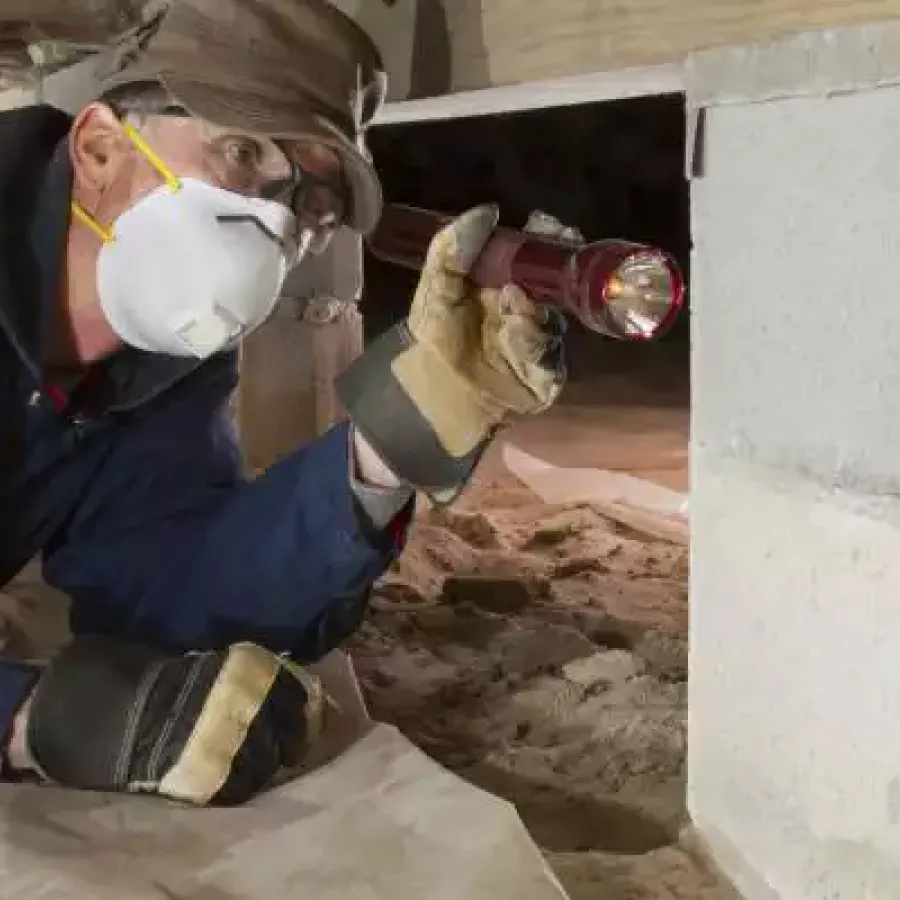
As most pests slow down during winter, termites continue their silent wood-consuming activities beneath the surface of many North Carolina homes. Winter termite inspections offer homeowners a rare opportunity to catch early infestations that often go unnoticed until spring causes costly damage. With North Carolina’s mild winters providing year-round termite activity, understanding why now is the best time to schedule a termite inspection can help you protect your biggest investment. For over 50 years, Wolfpack Pest Control has been helping North Carolinians uncover termite threats early with expert inspections and targeted treatments, maximizing prevention before the spring surge.
What Makes Winter Ideal for Termite Inspections?
While most homeowners associate termite problems with warmer months, winter inspections provide unique advantages. Termites remain active beneath the surface of structures even in colder weather, quietly expanding colonies and causing damage. During winter, homes are often more accessible for professionals to inspect crawl spaces, basements, and attics without the distractions of outdoor landscaping or seasonal clutter.
The relative inactivity of other pests in winter also allows inspectors to focus on termite-specific signs such as mud tubes and frass without interference. Overall, this season allows for a thorough, low-distraction evaluation before termites increase activity with spring’s warmth.
Benefits of Scheduling a Winter Termite Inspection
Scheduling termite inspections in winter delivers several important benefits every North Carolina homeowner should know.
First, early detection improves treatment success. According to Clemson University, identifying infestations early allows for targeted treatments that interrupt termite colony growth before severe damage occurs (North Carolina Cooperative Extension). Catching signs like mud tunnels, swarming activity indoors, or softening wood in winter can save thousands in future repairs.
Second, winter inspections offer a detailed baseline record of your home’s pest situation. This enables consistent year-over-year comparisons and makes ongoing termite management more reliable and effective.
Third, inspectors have more time to dedicate to each inspection, not rushed by the busy schedules common in warmer months. This attention to detail is critical when assessing hard-to-see areas like crawl spaces.
Some of the advantages include:
- Greater accessibility to crawl spaces and foundations
- Reduced presence of other pests means fewer distractions
- Opportunity to plan proactive treatments ahead of spring
- Lower competition for inspection appointments, ensuring timely service
What Does a Winter Termite Inspection Include?
A thorough termite inspection goes beyond surface-level observation, especially in winter when signs are subtler.
Beginning with the exterior, inspectors examine foundation walls, wooden decks, siding, and vent openings for mud tubes and moisture build-up. Inside, attention centers on baseboards, door frames, cabinets, and floor joists—especially in moisture-prone rooms like kitchens and bathrooms.
Modern inspections often incorporate moisture meters and thermal imaging cameras to detect hidden termite activity behind walls or under wooden floors.
These techniques uncover infestations before visible damage emerges, giving homeowners a chance to act early.
Why North Carolina's Climate Demands Year-Round Vigilance
North Carolina’s moderate winters differ from northern states, where termites become dormant. This region’s climate enables termites to remain active year-round, continuously feeding and expanding colonies even during cooler months.
According to the North Carolina Department of Agriculture, “due to North Carolina’s mild fall and winter temperatures, pests like termites remain active year-round, making winter inspections essential to prevent costly, undetected infestations” (North Carolina Department of Agriculture).
Combined with ongoing development and construction disrupting termite habitats, this makes winter inspections indispensable for keeping homes safe.
Common Mistakes to Avoid When Scheduling Termite Inspections
It’s easy to assume that winter is a safe season, leading many to delay inspections until warmer months. This mistake risks allowing termite damage to escalate unnoticed.
Another trap is relying solely on visual surface checks. Professional termite inspections use specialized tools, such as moisture meters and thermal imaging, to uncover hidden colonies that are inaccessible to the naked eye.
Skipping crawlspaces or basements during inspection often misses critical nesting sites, as termites prefer secluded, moist environments.
By avoiding these common errors and scheduling comprehensive inspections during winter, homeowners can dramatically reduce the risk of damage.
Why Choose Professional Termite Inspection Services?
While homeowners can do basic visual checks, termite signs are often subtle and easy to overlook without training. Professional inspections offer a meticulous approach backed by advanced tools and years of experience.
Moreover, professionals provide detailed inspection reports and expert recommendations, empowering homeowners to make informed decisions. These services often uncover structural vulnerabilities that can be reinforced to deter future infestations.
Wolfpack Pest Control offers trusted termite inspection and treatment services across North Carolina, combining local experience with modern technology to deliver dependable, preventative termite management.
Sources:
- Clemson University. “Integrated Pest Management for North Carolina Schools and Child Care Facilities.” School IPM Manual, 2012, https://schoolipm.ncsu.edu/files/2016/05/School-IPM-Manual-2012.pdf.
- North Carolina Department of Agriculture. “The Risks of Suspending Pest Control During Winter in North Carolina.” Sawyer Exterminating, 2024, https://www.sawyerexterminating.com/2024/11/the-risks-of-suspending-pest-control-during-winter-in-north-carolina/.
- North Carolina State University. “Preventive Control of Pest Rodents.” DigitalCommons@USU, 2021, https://digitalcommons.usu.edu/wdmconference/1985/all1985/4/.